

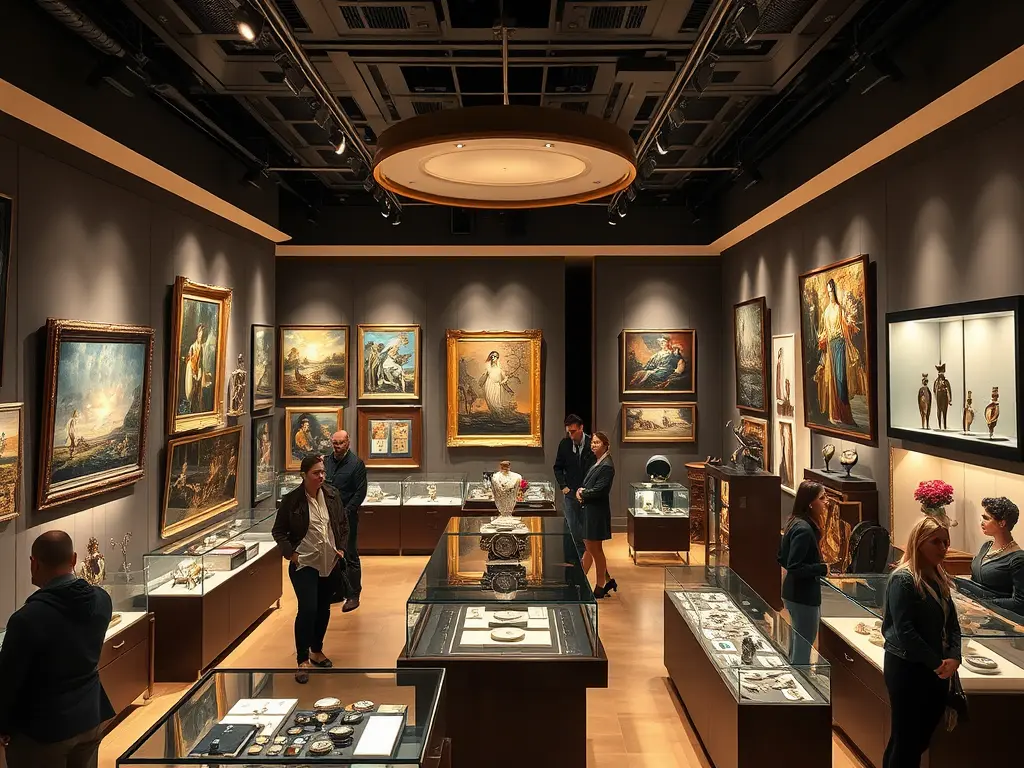
Forget quiet galleries—today’s art market is a vibrant, data-driven arena where savvy strategy can turn cultural passion into serious profit. The once-exclusive world of fine art has democratized, inviting a new generation to explore its dynamic potential. But is it a wise financial move? Let’s dissect modern art investment strategies through data, psychology, and real stories to separate hype from genuine opportunity. This journey reveals whether this path leads to lasting value or costly pitfalls.
Art Investment Strategies for Tangible Assets
We live in a digital whirlwind. Cryptocurrencies spike and crash. NFTs flicker in and out of favor. This volatility fuels a profound craving for the real—for assets you can see and touch. Physical art satisfies this craving, offering a psychological anchor. It represents permanence in a fleeting world. As an alternative asset class, it excels as a portfolio diversifier. Its value isn’t tied to corporate earnings or interest rates. Instead, it draws worth from cultural significance, historical weight, and sheer scarcity. The Art Market 100 Index has shown remarkable resilience, often outpacing traditional indices during downturns. This isn’t mere speculation; it’s a documented hedge. You’re acquiring a piece of history with the potential to protect and grow wealth.
Decoding Profit: Art Investment Strategies for Maximum Returns
The profit potential is undeniable but nuanced. The global art market is surging past $90 billion in 2025. Online platforms have shattered old barriers, granting unprecedented access. Yet, success demands targeted art investment strategies. Some sectors are powerhouses. The Jean-Michel Basquiat market, for instance, has seen works achieve 300% returns in a decade. But the savvy investor looks beyond the obvious.
True art portfolio diversification explores lucrative niches:
- Vintage watch investing has seen rare timepieces consistently outperform major stock indices.
- Mid-century modern furniture by designers like Charlotte Perriand commands astronomical prices at auction.
- Studio pottery collectibles have skyrocketed in value following museum acquisitions and a focus on craft.
The key is tracking cultural trends. Sustainability, for example, now drives value. Pieces with eco-conscious origins or reclaimed materials are highly sought-after. This strategic, research-backed approach is what separates the casual buyer from the strategic investor.
Art Investment Strategies and Risk Assessment
Ignoring the risks is a recipe for loss. A successful strategy acknowledges and plans for them.
Illiquidity: This is the paramount challenge. You can’t sell a painting as quickly as a stock. Finding the right buyer can take years.
Authentication and Provenance: Here lies one of the biggest dangers. Antique authentication pitfalls can bankrupt the unwary. One forgery can wipe out your capital. Third-party, expert verification is non-negotiable.
The Cost Factor: Auction premiums (often 25%+), insurance, specialist storage, and restoration are silent profit-eaters. Budget for them upfront.
Subjective Value: Tastes change. An artist booming today may be forgotten tomorrow. Emotion is your enemy here. Diligence, not desire, must drive decisions.
| Aspect | Traditional Stocks | Blue-Chip Art |
|---|---|---|
| Liquidity | High (Instant sale) | Low (Months/Years) |
| Value Driver | Company Performance, Economics | Cultural Trends, Scarcity, Provenance |
| Volatility | Can be high, reactive to news | Generally lower, long-term trends |
| Tangibility | Digital/Paper Certificate | Physical Object |
| Costs | Brokerage Fees | Buyer’s Premium, Insurance, Storage |
Master the Investor’s Mindset for Art Investment Strategies
Your psychology determines your success. The most common pitfall? Falling in love. You must ask: “Am I buying for joy or for yield?” Both are valid, but your art investment strategies will diverge completely.
The pure investor is ruthlessly objective. They leverage data, track auction results, and network with advisors. Art is a business—a beautiful one, but a business nonetheless. The collector-investor seeks a middle path. They buy what they love but only after rigorous financial vetting. I learned this early on. My first major purchase was a contemporary print I adored. However, I only proceeded after confirming the artist’s auction record and gallery trajectory. This balance safeguards your capital and enriches your life. It’s the master key to sustainable investing.
Fractional Ownership: Your Gateway to Masterpieces
Think you need millions to start? Think again. Fractional art ownership is the revolutionary game-changer. Platforms like Masterworks allow you to buy shares in a Picasso or a Banksy. This model offers multiple advantages:
- Accessibility: Enter the blue-chip market with a modest sum.
- Diversification: Spread investment across several artworks instantly.
- Education: A low-risk way to learn market dynamics.
It democratizes high-stakes investing. Essentially, it’s a brilliant tool for building knowledge and exposure.
Social Proof: Lessons from Those Who Succeeded
Real stories offer the best validation. Take Lena, a tech professional. In 2021, she started investing in digital art on emerging platforms. She focused on under-the-radar artists. By 2024, several were featured in major galleries. Her initial $10,000 stake multiplied many times over. Then there’s Thomas. He specialized in studio pottery collectibles. He built a small, meticulously documented collection. A renowned design museum acquired it entirely. He gained both financial return and immense cultural prestige. Their secret? Deep research and the courage to act on trends before they peak.
Your Actionable Roadmap: Building a Strategic Portfolio
Ready to begin? Follow this disciplined plan:
- Educate Relentlessly. Immerse yourself. Read auction house reports (Sotheby’s, Christie’s). Follow art market analysts. Knowledge is your primary capital.
- Start Small, Specialize Deeply. Don’t target a masterpiece first. Begin with editions, prints, or emerging artists. Choose a niche—perhaps 19th-century maps or Art Deco jewelry—and become its expert.
- Verify, Then Verify Again. Never skip professional authentication. It is your shield against fraud. This step is non-negotiable for any serious art investment strategies.
- Build Your Network. Attend gallery openings and art fairs. Talk to dealers, curators, and collectors. The best opportunities are often found off-market.
- Budget for the True Cost. Factor in insurance, storage, and potential restoration from day one. These “hidden” costs determine your real return.
- Embrace the Long Game. This is a marathon. Plan to hold assets for 5-10 years minimum. This allows appreciation and smooths out market volatility.
Final Encouragement: Your Journey Starts Now
The world of art investment is uniquely rewarding. It merges aesthetic passion with financial wisdom. The 2025 market is more transparent and accessible than ever before. Yes, risks exist. But they can be managed with knowledge and patience. You are not just buying an object. You are preserving culture and supporting creativity. By adopting a disciplined, strategic approach, you can build a portfolio that is both personally fulfilling and financially robust.
You can absolutely do this. Start where you are. Use the tools available. Let informed curiosity guide you. Trust in verified experts and your own growing knowledge. The potential for personal and financial fulfillment is immense. Take your first, informed step today. The masterpiece of your portfolio awaits.

Generally I do not learn post on blogs, but I wish to say that this write-up very forced me to check out and do so! Your writing style has been amazed me. Thank you, quite nice article.
Thank you sincerely for this special and valuable comment. Capturing the attention and appreciation of a reader who doesn’t normally follow blogs is the most meaningful reward for my efforts. I’m truly delighted that my writing style created such an impression on you. Thank you again for this trust and compliment – I wish you enjoyable reading as well.