What if the most powerful financial decision you make this year also helps mend the very fabric of our planet? This is the compelling promise at the intersection of two transformative forces. For the discerning investor, sustainable agriculture investments are no longer a sidelined ethical choice. They represent a fundamental and lucrative shift in global markets. This convergence with green energy creates a resilient investment paradigm. It offers robust financial returns and tangible planetary impact. Let’s explore this dynamic landscape.
The Unstoppable Convergence: Sustainable Agriculture Investments Where Fields Meet the Future
At its core, this revolution is a beautiful symbiosis. Sustainable agriculture employs methods that regenerate the land. It improves soil health, conserves water, and boosts biodiversity. This goes far beyond organic farming. It encompasses regenerative agriculture profits, holistic land management, and climate-smart agriculture investing. Green energy provides the clean, affordable power these systems need.
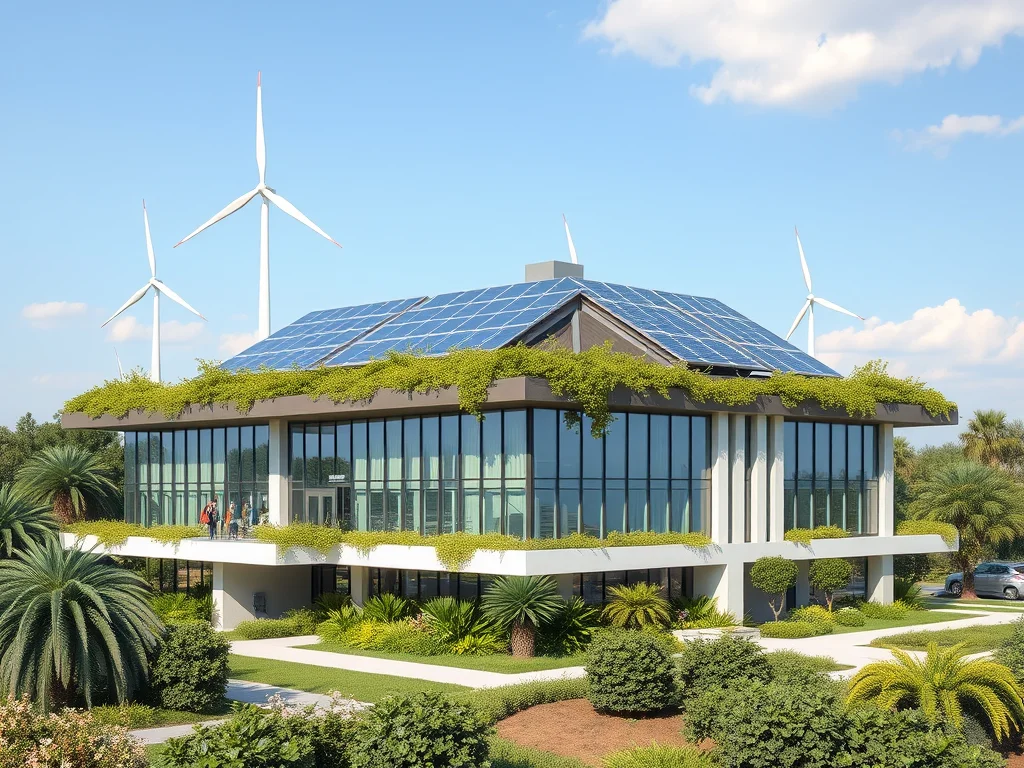
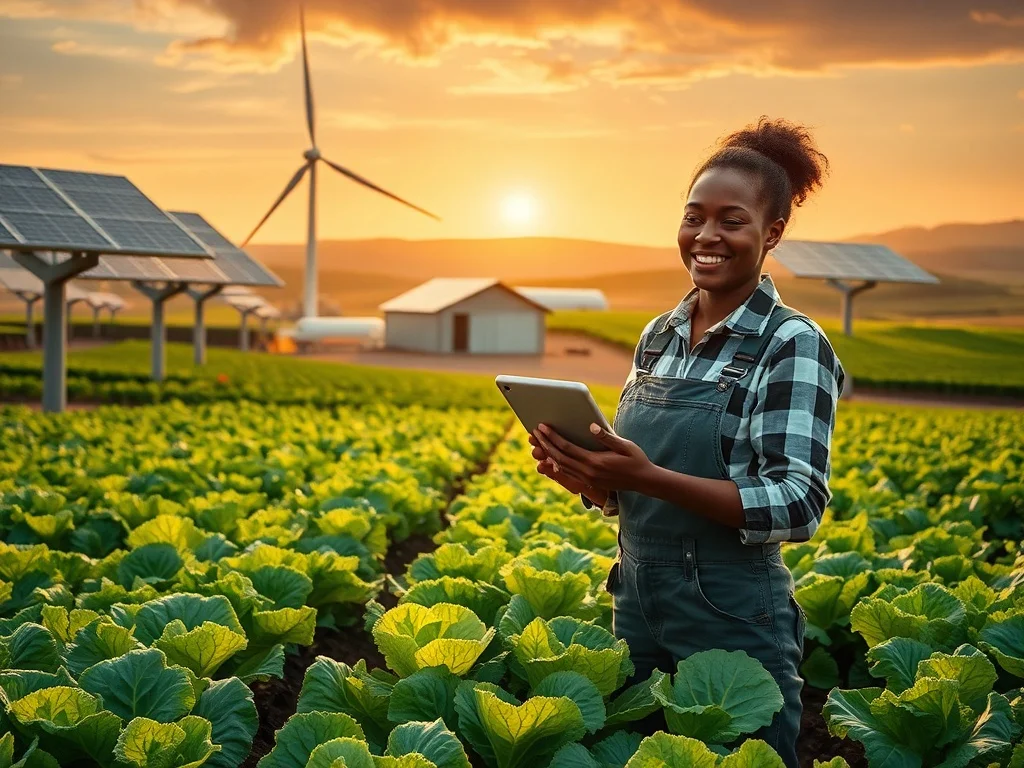
Imagine solar arrays powering precision irrigation systems. Envision wind turbines energizing processing facilities. Consider anaerobic digesters turning waste into biogas. Together, they form a closed-loop, carbon-neutral farm model. This synergy slashes operational costs for farmers. It also creates new, durable revenue streams. This powerful economic engine is attracting immense capital. It is solidifying its role as a cornerstone of any modern portfolio.
Personal Insight: In my analysis of market trends, the most successful portfolios now integrate purpose. The alignment of profit and planet isn’t just idealistic. It’s increasingly algorithmic, driven by data and consumer demand.
The 2025 Landscape for Sustainable Agriculture Investments: Data, Demand, and Decisive Policy
The growth projections for sustainable agriculture investments are staggering. The global agrivoltaics market is a prime example. It is projected to surpass $12 billion by the end of 2025. The broader sustainable agriculture market is on track to exceed $25 billion. Why this explosive growth? The drivers are clear and powerful.
- Consumer Mandate: Over 70% of global consumers now express a preference for sustainable brands. This is a mainstream market force.
- Policy Turbocharge: Initiatives like the U.S. Inflation Reduction Act offer significant tax credits. These credits are for farm renewable energy infrastructure. The European Green Deal directs colossal funding toward these sectors.
- Risk Mitigation: Climate-smart agriculture investing inherently protects against physical and transitional climate risks.
Comparison: Traditional vs. Sustainable Ag-Energy Model
| Aspect | Traditional Model | Sustainable Ag-Energy Convergence |
|---|---|---|
| Energy Source | Fossil-fuel reliant, volatile costs | On-site renewables, predictable costs |
| Soil Health | Often degraded, input-dependent | Actively regenerated, carbon-sequestering |
| Revenue Streams | Primarily crop/livestock sales | Crops, agriculture carbon credits, renewable energy sales |
| Climate Resilience | Vulnerable to extremes | Enhanced through biodiversity and water management |
| Investor Appeal | Commodity-price exposure | Diversified, impact-aligned, policy-supported |
The Sustainable Agriculture Investor’s Mind: Overcoming Psychological Hurdles
Why do some still hesitate? Investment psychology often presents barriers.
- The Performance Myth: A persistent bias suggests ethical investments underperform. The data refutes this. Numerous studies show ESG farming funds matching or outperforming traditional peers.
- The Complexity Fear: “It sounds technical; where do I even start?” This feeling is common. The key is reframing. View this not as a niche but as core diversification. It future-proofs wealth against fossil fuel volatility.
- The Tech FOMO: Fear of missing out on tech stocks is real. Yet, the green revolution offers stability. It is built on global necessity, not speculation.
Social Proof: A Midwestern farmer I spoke with faced crippling energy bills. He installed solar panels and adopted no-till practices. Within two years, his energy costs fell 80%. His soil health improved dramatically. He now earns agriculture carbon credits. His story is a microcosm of the broader potential.
Your Practical Playbook: Pathways to Participation
You need not own a farm to invest. The ecosystem offers multiple entry points.
1. Public Equities & ETFs: The Accessible Gateway
This is the simplest start. Invest in companies leading in farm renewable energy infrastructure, precision agtech, or sustainable food production. For diversified exposure, consider a sustainable agriculture ETF like the Global X AgTech ETF (KROP). It offers instant, expert-led diversification.
2. Green Bonds & Sustainable Debt: The Stable Income Stream
Governments and corporations issue these. They fund specific eco-projects. A green bonds agriculture project might finance a solar-powered greenhouse network. They offer lower risk and predictable returns. This suits the conservative investor seeking impact.
3. Crowdfunding & Direct Projects: The High-Engagement Route
Platforms allow direct investment in specific farms or community solar projects. This offers higher potential returns (and risk). It also provides a direct, tangible connection to your impact. You could fund a vertical farming startup in an urban food desert.
Q: Isn’t this just a trend for institutional investors?
A: Absolutely not. The democratization of finance means retail investors have unprecedented access. Through ETFs and crowdfunding, you can start with a modest amount.
4. Investing in Your Own Land: The Tangible Asset Approach
Do you own land? It could be a dual-purpose asset. Lease space to a solar developer for steady income. Implement regenerative practices to generate agriculture carbon credits. This turns stewardship into a direct revenue source.
Building Your Legacy: A Step-by-Step Invitation
The convergence is the defining investment theme of our decade. It is resilient, necessary, and profitable. Here is how to begin your journey.
- Educate & Allocate: Start small. Dedicate a portion (e.g., 5-10%) of your portfolio to a sustainable agriculture ETF. Monitor its performance closely.
- Diversify Your Approach: As confidence grows, explore a green bonds agriculture fund for stable income. Then, consider a direct project for higher engagement.
- Measure Impact & Returns: Use portfolio tools to track financial performance. Also, review impact reports from your funds or projects. This dual view is profoundly satisfying.
- Scale with Conviction: As the market matures and your knowledge deepens, scale your commitment. You are investing in the infrastructure of the future.
The emotional reward is profound. It is the satisfaction of seeing your capital grow while knowing it supports carbon-neutral farm models and healthier ecosystems. This is true wealth building. Every dollar invested is a vote for a more resilient, innovative, and sustainable world.
The tools are available. The market is validated. The time for purposeful, profitable action is now. Your portfolio, and the planet, can thrive together.